
Why Microlearning Works in Kitchens

Updated: 2 days ago
Training in school kitchens has to compete with the clock—and the clock usually wins. It also has to compete with shortened attention spans. YouTube and social media have changed how people take in information. They want it bite-sized, quick, and easy to digest. Quick training, known as microlearning, capitalizes on this by delivering training in the same fast, practical way that holds attention and gets used right away.
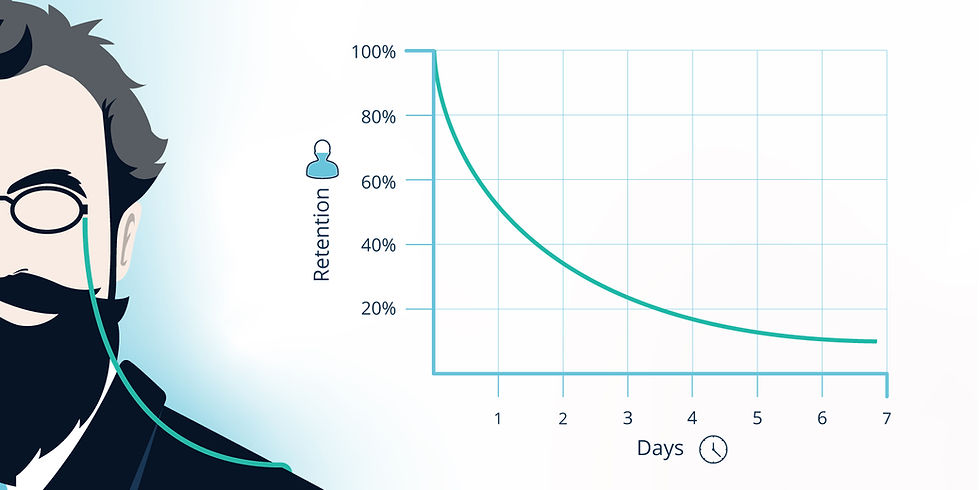
The microlearning approach breaks training into short, focused sessions that target one topic at a time. Instead of long meetings that are hard to fit in and even harder to remember, quick training delivers hands-on learning that can be used right away. Research from Hermann Ebbinghaus shows that people forget most new information quickly unless they apply it. This is known as the forgetting curve. Ebbinghaus discovered that 50% of new information was lost after one day and 90% within a week. Basically, the human brain adopts a "use it or lose it" system. In traditional trainings like long meetings, presentations, or once-a-year sessions—staff may walk away with good intentions, but much of the content fades within days. By keeping training short, putting it into action and building it into the workday, teams don’t just hear the information—they use it, remember it, and get better results from it.
Learning Together
Microlearning becomes even more effective when it’s done as a team. When staff learn together—especially in quick, manager or peer-led sessions—they don’t just hear the process, they see it, question it, and practice it together. One team member demonstrating a task while others watch and discuss builds understanding faster than any slide or handout. It also creates shared ownership. Instead of “my way” or “your way,” the team learns one way that everyone understands and can follow. Research also shows that people retain more when learning is social and interactive, particularly when they can immediately apply the skill. In a school kitchen, that means stronger teamwork, fewer mistakes, and a standardized operation because everyone is on the same page.

How It Works
Directors play a key role by providing managers with simple, ready-to-use training materials that guide each session. When every manager is working from the same material, all employees are receiving the same training and reinforcing the same message.
Managers need a short framework with script they can follow in 15 minutes which includes:
• Clear focus: One topic or skill
• Discussion questions: What would you do? What works here? What doesn’t?
• Action Plan: Agree on 3 actions the team will use every day and then review
This keeps the session on track and prevents it from turning into off-topic conversations or silence. The key is simplicity. Managers need something they can pick up, glance at and use to lead the conversation and guide the team to a decision.
Final Thoughts
Microlearning saves time because it fits into the workday instead of interrupting it. Managers can run a quick 15 minute session when the schedule allows—half days, field trips or a lighter menu day. It uses time that already exists. It also increases engagement because staff are involved—not just listening. Keeping the training quick and focused improves how the information is retained. When team members help shape how the work gets done, it builds ownership. And when there’s ownership, the whole team works more effectively together. Over time, these small quick training sessions compound. Skills improve, speed and accuracy increase and morale lifts from building better systems.


